












Summer Heat: Why Your Inverter Might Throttle and What to Do
-
Seasonal Solar Tips
-
inverter thermal derating
-
solar inverter overheating
-
summer solar production loss
It's 2pm on a July afternoon. Your panels are soaking up more sunlight than any other time of year. Logic says this should be your system's best day. But you check your monitoring app and see output has dropped 20–30% from what it was producing at 11am.
Nothing is broken. No error codes. Your inverter is simply cooking itself and has decided to turn down the volume to survive.
This is thermal derating — and it's one of the most common reasons homeowners see disappointing summer production despite perfect sunshine.
What's Actually Happening Inside Your Inverter
Your inverter converts DC power from your panels into AC power your home uses. That conversion process generates heat. Always has, always will. Under normal conditions, the inverter's built-in cooling system — fans, heatsinks, natural convection — keeps internal temperatures within operating range.
But here's the problem. On a 38°C day, your inverter isn't starting from a cool baseline. It's starting from ambient temperature that's already close to its comfort limit. Add the heat generated from conversion at peak production, plus radiant heat bouncing off your roof or wall — and internal component temperatures can blow past 60–65°C within hours.
At that point, the inverter's firmware does exactly what it's programmed to do: reduce output to lower internal heat. It's not a malfunction. It's self-preservation. But it means you're losing real production — and real money — on the days when your system should be earning the most.
How Much Production Are You Actually Losing?
The numbers vary by inverter model, installation location, and how hot your specific climate gets. But here's a realistic picture:
| Ambient temperature | Typical derating | What it means for a 10kW system |
|---|---|---|
| Below 35°C | None | Full rated output |
| 35–40°C | 5–15% | Losing 500W–1.5kW during peak hours |
| 40–45°C | 15–30% | Losing 1.5–3kW during peak hours |
| Above 45°C | 30–50% or shutdown | System may produce half capacity or trip off entirely |
In Southeast Asian climates where roof surface temperatures regularly hit 55–65°C during dry season, an inverter mounted directly on a sun-facing wall can spend 3–4 hours per day in derating mode. Over a full summer, that's potentially 10–15% of your total seasonal production gone — not from panel issues, but purely from inverter overheating.
Why Some Installations Suffer More Than Others
Thermal derating isn't random. Certain installation choices make it far more likely:
Inverter mounted on a sun-facing wall. In Thailand or Vietnam, a west-facing wall receives direct afternoon sun precisely when ambient temperatures peak. The wall acts as a thermal mass, radiating stored heat directly into the inverter housing well into the evening.
Inverter placed inside a poorly ventilated enclosure. People think "indoors = cooler" but a sealed metal cabinet or unventilated garage in summer can exceed outdoor temperatures by 5–10°C. You've essentially built an oven for your inverter.
Inverter sized too close to array capacity. A 5kW inverter paired with 5kW of panels runs at near-maximum capacity during peak hours — meaning maximum heat generation at the worst possible time. There's no thermal headroom.
Multiple inverters stacked close together. Each unit's exhaust heat becomes the next unit's intake air. Thermal cascading can push the innermost unit into derating even when ambient conditions seem acceptable.
Seven Things You Can Do About It
1. Check your current mounting position
Walk outside at 2pm on a hot day and put your hand near your inverter. If the surrounding wall is too hot to touch comfortably, your inverter is absorbing that radiant heat all day. Relocating to a shaded east-facing or south-facing wall — even if it means running slightly longer DC cables — can drop operating temperatures by 10–15°C.
2. Create an air gap
If relocation isn't practical, ensure at least 200mm clearance on all sides of the inverter — especially above it, where hot air rises and gets trapped. Many installations violate this spacing because the installer prioritized neat cable runs over thermal performance. A standoff bracket that moves the inverter 150–200mm away from the wall costs almost nothing but makes a meaningful difference.
3. Add a shade structure
A simple metal or polycarbonate shade awning above the inverter — positioned to block direct sun from 11am to 4pm without restricting airflow underneath — is one of the highest-ROI modifications you can make. A few hundred dollars in materials can recover thousands in lost production annually.
4. Improve ventilation for enclosed installations
If your inverter lives inside a cabinet, garage, or utility room, check whether hot air can actually escape. A louvered vent at the top and an intake opening at the bottom creates natural convection. For severe cases, a thermostat-controlled exhaust fan that kicks in above 35°C is cheap insurance.
5. Consider inverter oversizing
This is a design-stage decision, but worth mentioning for anyone planning a new system or replacing an old inverter. Pairing a 6kW inverter with a 5kW array means the inverter rarely operates above 80% capacity — generating less heat and staying well below derating thresholds even on the hottest days.
6. Clean dust and debris from cooling vents
This sounds obvious but gets overlooked constantly. Inverter heatsinks and fan intakes clog with dust, cobwebs, and leaf debris over time — especially in outdoor installations. A twice-yearly cleaning with compressed air or a soft brush restores cooling efficiency that degrades so gradually you don't notice until derating becomes severe.
7. Monitor and set alerts
If your monitoring system allows temperature alerts, set one for when inverter internal temperature crosses 55°C. This gives you early warning before derating kicks in and helps you identify whether your mitigation efforts are actually working. Patterns over time — does it derate every day at the same hour? Only on windless days? — tell you exactly what's driving the problem.
When to Worry vs. When to Accept It
Some degree of thermal derating on extreme days is normal and expected. A well-designed inverter protecting itself on five days per year during a heatwave is not a problem — it's good engineering.
But if your system derates daily for weeks on end, or if it starts throttling at temperatures well below its rated maximum, something is wrong. Either the installation environment is unsuitable, ventilation is compromised, or the inverter itself may have a cooling system fault that needs professional attention.
The key metric: compare your system's actual summer production against its modeled output. If you're consistently 15–20% below projections during hot months — and shading, soiling, and panel degradation don't explain the gap — thermal derating is your prime suspect.
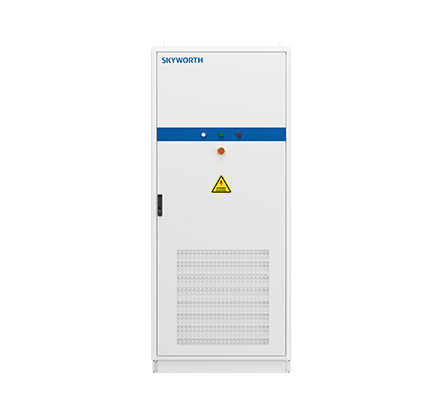
Built for the Heat: How SKYWORTH Inverters Handle Tropical Summers
Everything above applies to any inverter on any roof. But the reality is that some hardware handles heat better by design — and that's worth knowing if you're choosing a system for a climate where 38°C is a normal Tuesday.
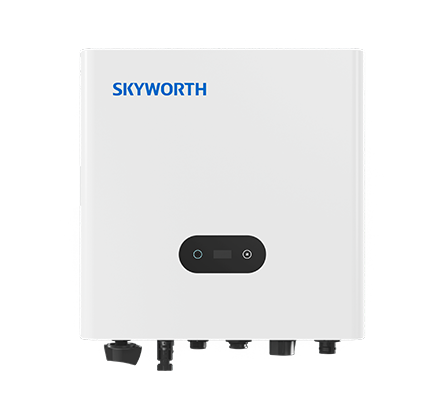
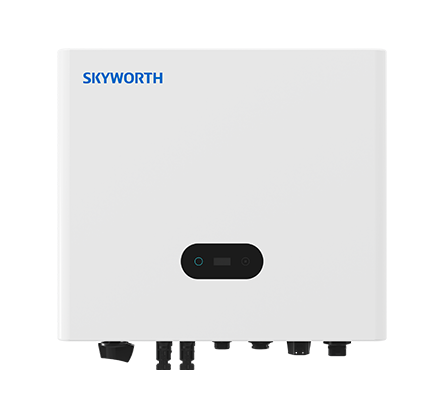
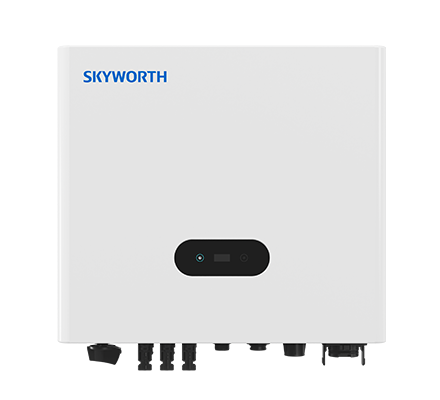
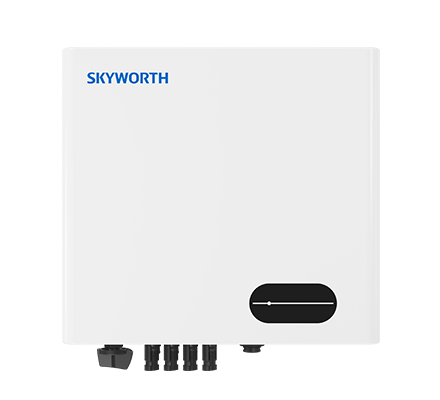
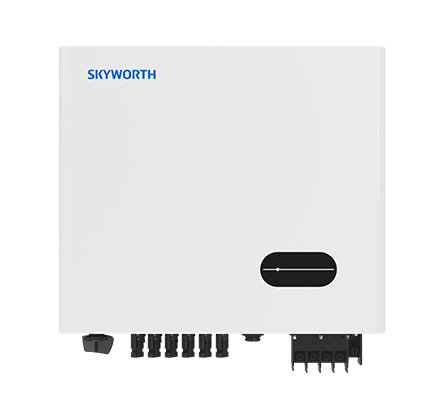
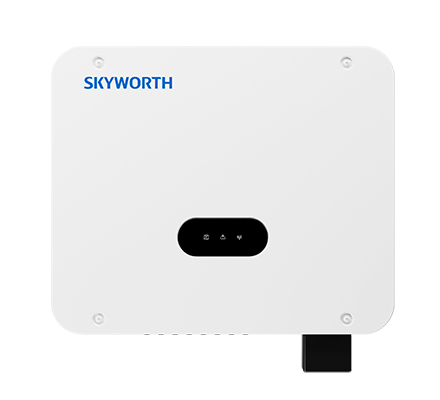
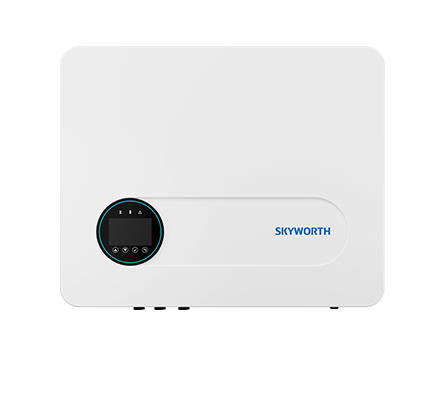
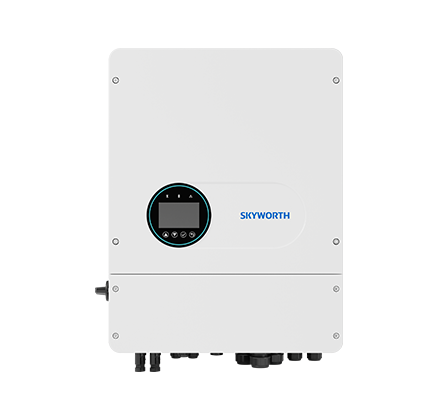
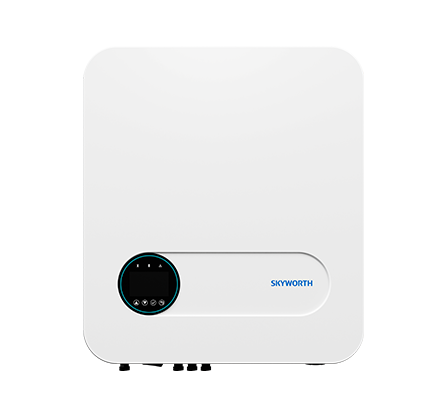
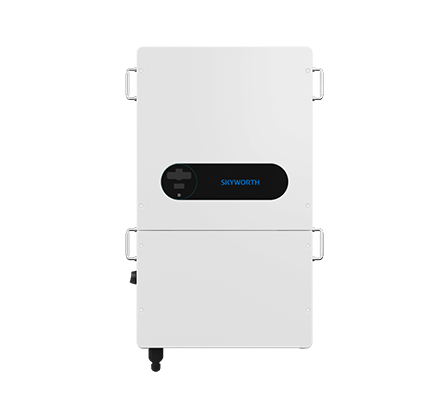
SKYWORTH's inverter range was engineered specifically for Southeast Asian conditions. A few details that matter in the context of this article:
High-temperature, high-humidity rated from the start. These units are tested against salt spray, typhoon conditions, and sustained tropical heat — not retrofitted for warm climates as an afterthought. The result is stable output in conditions where many inverters have already begun throttling.
1.5x DC oversizing with dual MPPT. Remember point #5 above — oversizing reduces thermal stress. SKYWORTH inverters support up to 150% DC overload ratio, meaning the inverter operates well within its thermal comfort zone even at peak solar noon. More headroom, less heat, less derating.
98.6% peak conversion efficiency. Higher efficiency means less energy wasted as heat inside the unit. The difference between 96% and 98.6% efficiency doesn't sound like much — but in thermal terms, it can mean 30–40% less waste heat generated at full load. That's the difference between an inverter that derates at 2pm and one that runs clean through to sunset.
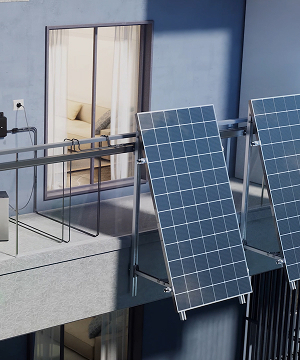
IP67 protection on microinverter models. For balcony or exposed installations where weather sealing matters as much as thermal management — fully sealed against dust and water ingress, with no exposed vents to clog.
25-year design life with real-time cloud monitoring. The Solavita Cloud app tracks inverter temperature alongside production data, so you can spot thermal patterns before they become production problems. If your inverter starts running hotter than baseline, you'll know — and you'll know early.
Worth exploring if you're building a new system in a hot climate, or if your current inverter is losing the summer heat battle:
See SKYWORTH inverter specifications and models →
The Bottom Line
Summer should be your solar system's strongest season. If it's not — if your monitoring shows a midday dip on every hot afternoon — thermal derating is almost certainly the reason. The good news is that most solutions are low-cost and straightforward: better placement, better airflow, appropriate sizing.
Don't accept 15% summer production loss as "just how solar works." It's how poorly installed or poorly chosen inverters work. Fix the thermal environment, choose hardware rated for your actual climate, and those lost kilowatt-hours come back.


Sign up to our latest blog
By signing up for our newsletter, you agree to the termsoutlined in our privacy policy. You can unsubscribe atany time.