












The Real Cost of Residential Solar in 2026: What You'll Actually Pay and Earn
-
Solar Costs & Savings
-
residential solar cost
-
solar panel ROI
-
solar payback period
You've searched "how much does solar cost" and gotten a dozen different numbers. None of them matched your situation. That's because most articles toss out national averages — meaningless if you live in Bangkok, have a flat concrete roof, or pay $0.15/kWh for electricity.
So let's do this differently. We're going to pull apart every dollar that goes into a residential solar system, show you real installations with real payback timelines, and then walk you through the financial picture from year 2 all the way to year 30. The part nobody talks about after the installer drives away.
What Are You Actually Paying For?
A home solar system isn't one big purchase. It's several purchases stacked together — and understanding each layer is how you avoid overpaying on one while accidentally cheapening another.
The Panels Themselves
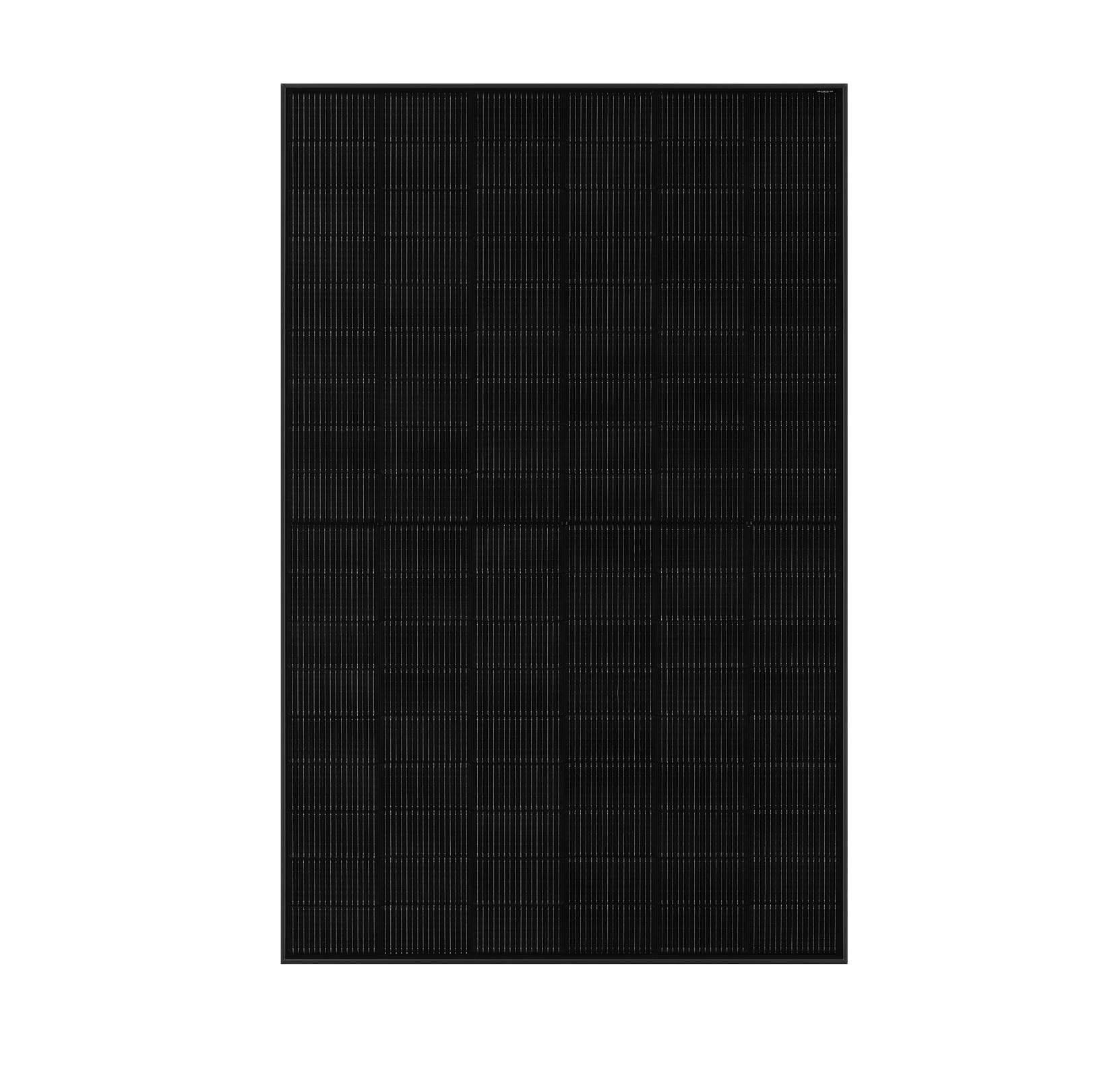
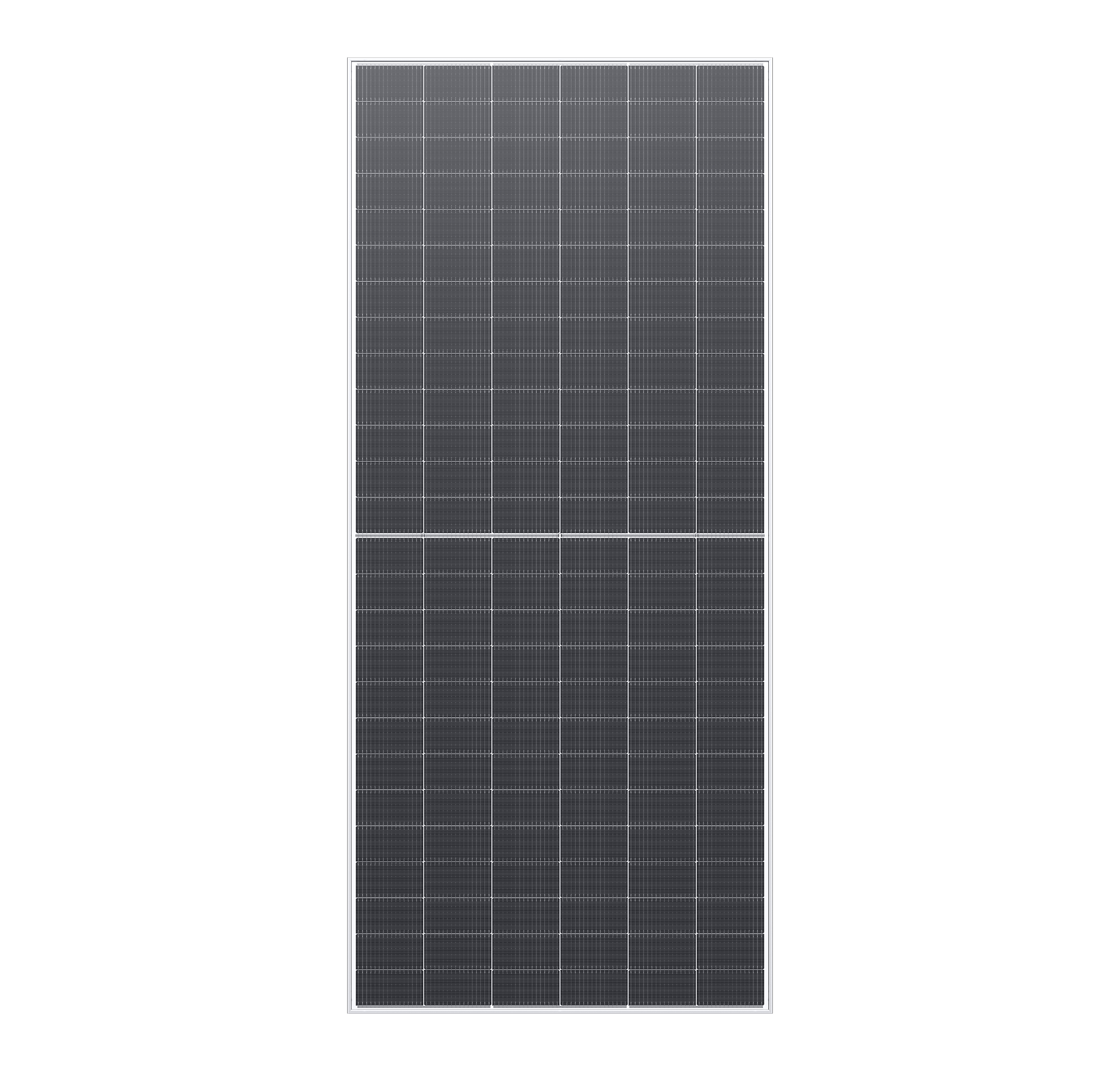
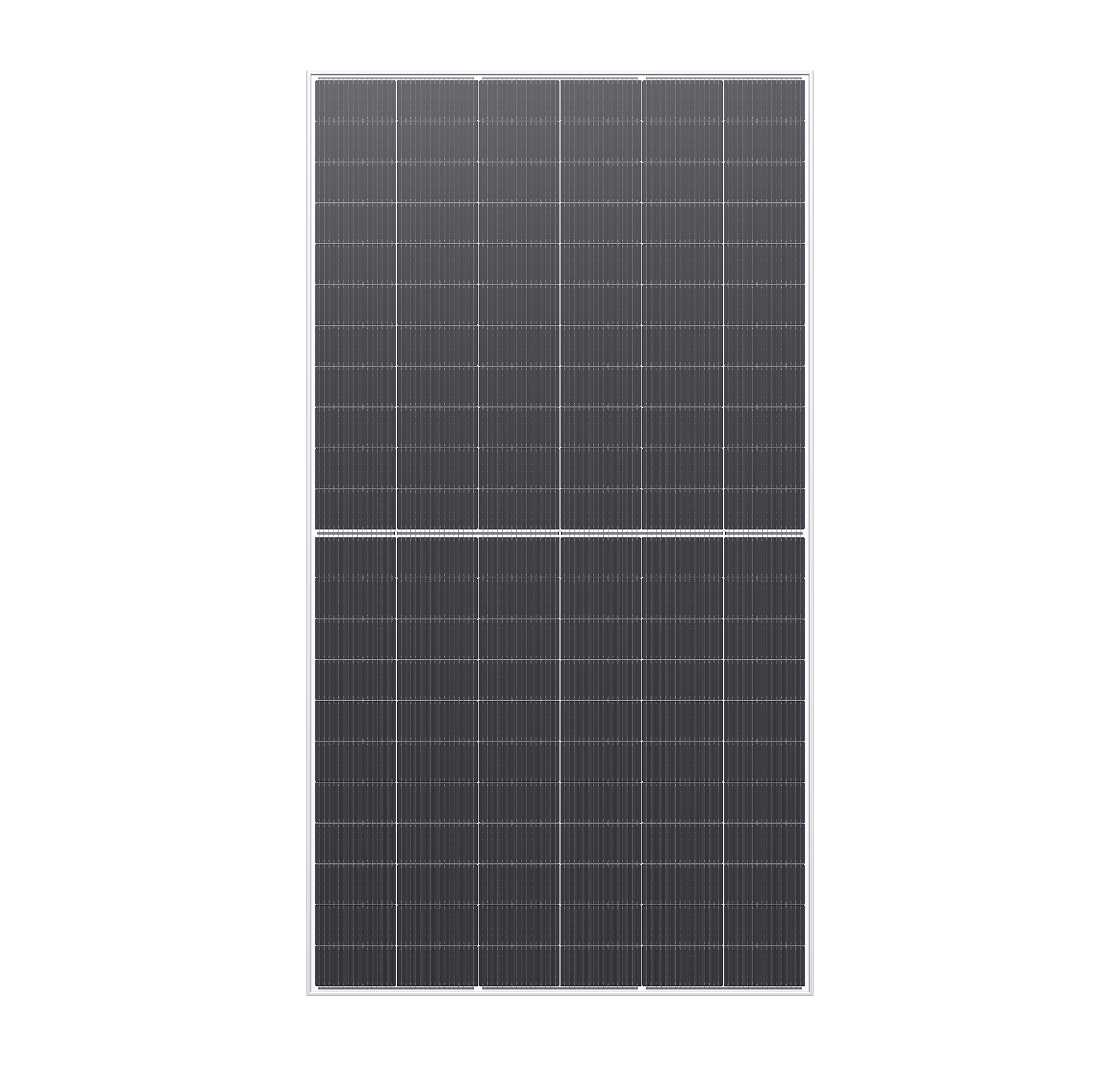
The residential solar panel market in 2026 has largely shifted to N-type TOPCon cells in the 580–630W range. Global average module pricing has landed around 0.18–0.28 per watt at wholesale, according to IRENA's latest renewable cost data1. For a typical 10kW rooftop setup — that's roughly 16 panels at 620W each — your panel cost typically lands between 1,800to2,800 just for the modules.
But here's what actually matters more than that upfront number: degradation rate. Premium N-type panels guarantee at least 99% output in year one and lose only about 0.4% annually after that. Do the math — at year 30, you're still pulling 87.4% of original capacity2. Budget panels often degrade 2–3 times faster. That $400 you "saved" becomes thousands in lost generation over two decades.
The Inverter
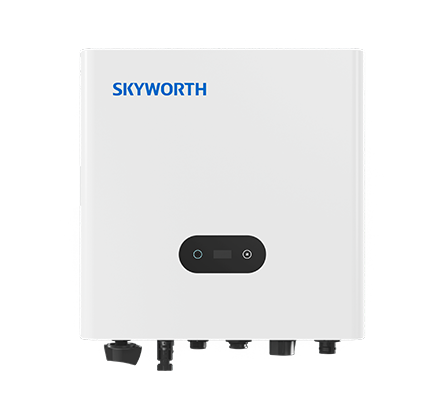
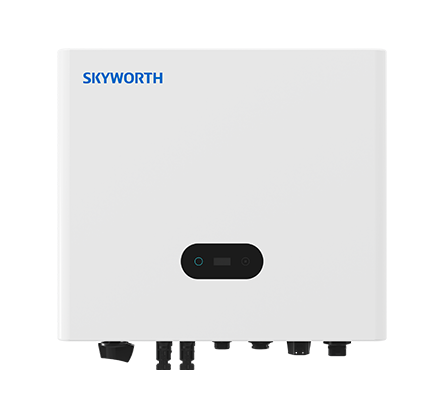
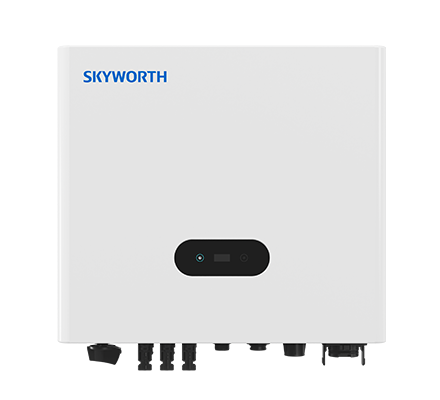
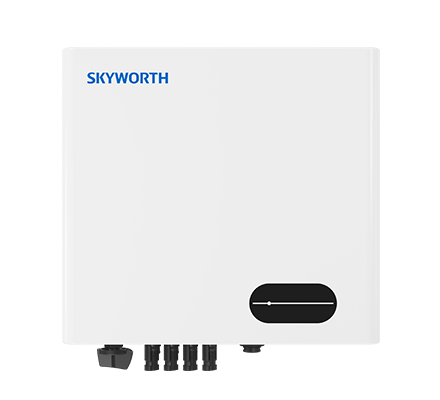
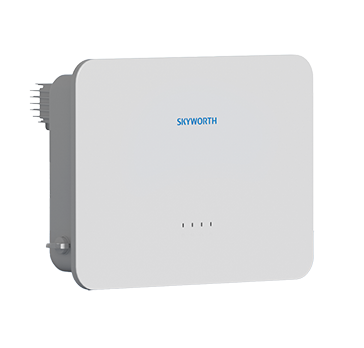
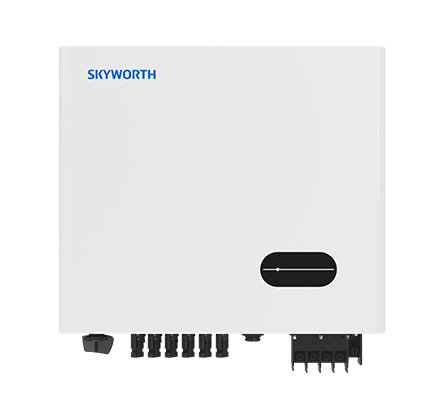
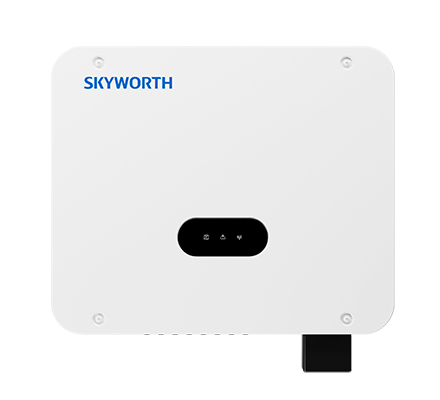
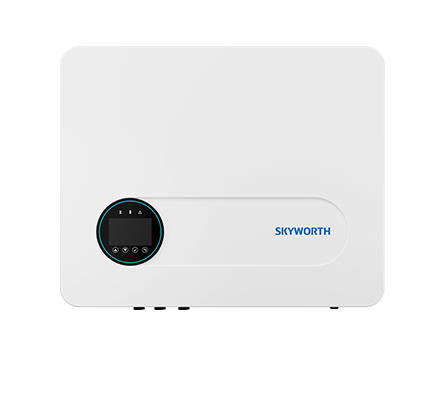
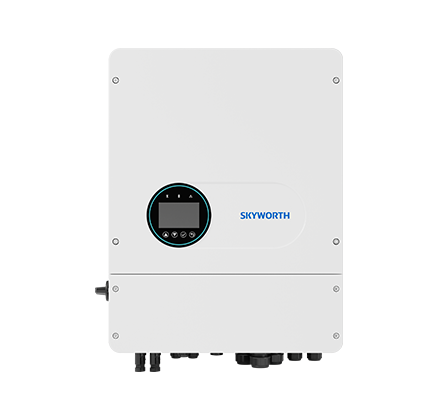
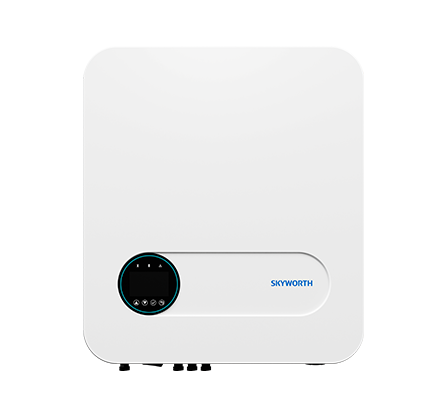
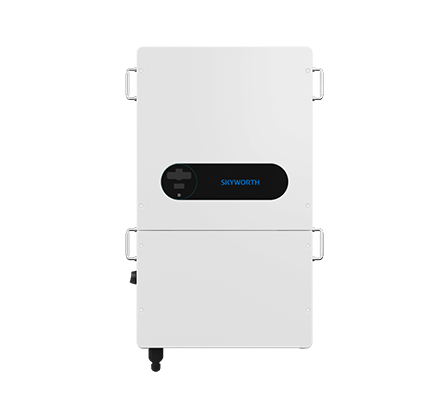
Think of your inverter as the system's translator — it converts DC from your panels into AC your home actually uses. Three main options:
| Type | Where it shines | What you'll spend (residential range) |
|---|---|---|
| String inverter | Simple roof layout, minimal shading | 800–1,500 for 5–10kW |
| Microinverter | Complex roofs, trees nearby, mixed orientations | 150–250 per panel |
| Hybrid inverter | You're adding batteries now or later | 1,200–2,500 for 5–10kW |
BloombergNEF's 2025 market survey pegs the global weighted-average residential inverter cost at roughly 0.08–0.12 per watt3.
Mounting — The Part People Ignore Until It Leaks
Nobody gets excited about mounting hardware. But it's the reason your panels either last 30 years without drama or start causing roof leaks within 5.
| Roof situation | Typical solution | Cost range |
|---|---|---|
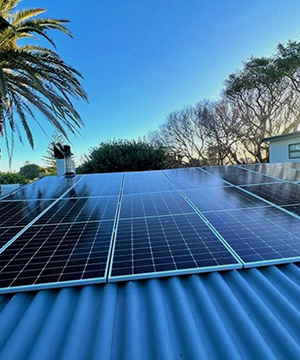
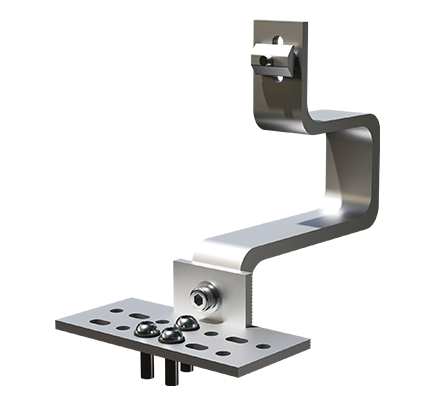
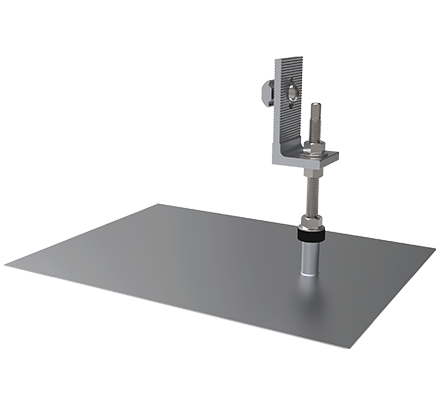
| Pitched roof (tile or metal sheet) | Rail + hook system | 500–1,200 |
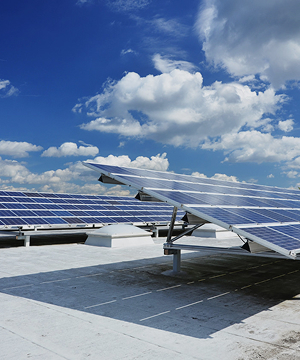
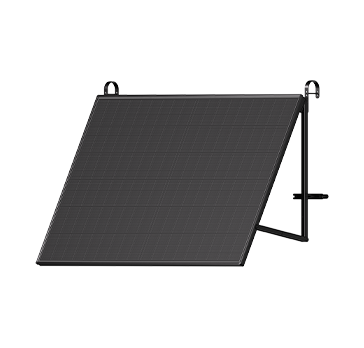
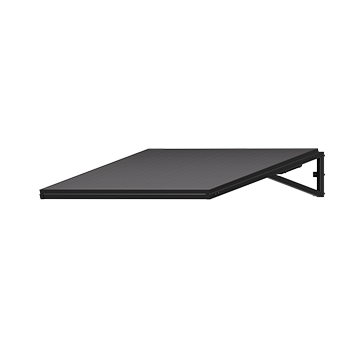
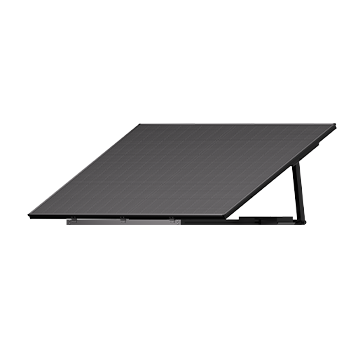
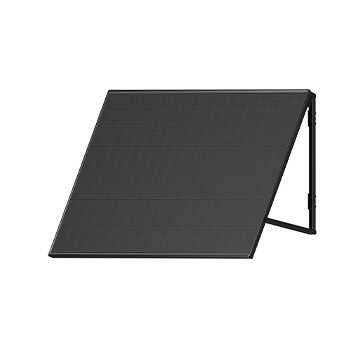
| Flat roof or terrace | Elevated tilt frame | 800–2,000 |
| Ground installation | Post-driven or ballasted | 1,000–3,000 |
The price gap between cheap and premium mounting usually comes down to materials. Aviation-grade galvanized aluminum-magnesium steel with self-healing anti-corrosion coating — the kind rated for 30 years in tropical humidity — costs more upfront but eliminates bracket replacement every 8–10 years2. Budget zinc-plated steel in a coastal Southeast Asian climate? You might see rust spots within 5 years.
A detail worth asking your installer about: water drainage design. A poorly designed mounting system channels rainwater into screw holes and under flashing. A well-designed one uses layered vertical drainage channels that protect your original roof waterproofing2. The cost difference at install is maybe 200–400. The cost difference when your ceiling starts leaking is $2,000+.
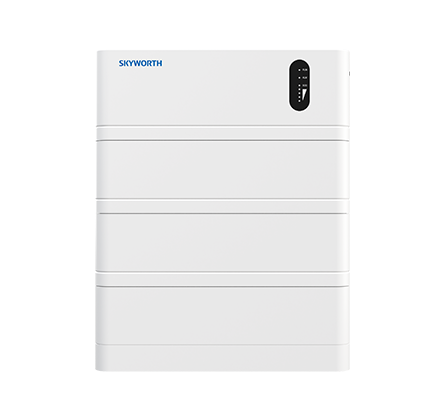
Battery Storage (Optional — But the Math Is Shifting)
Not everyone needs a battery on day one. But the calculus has changed a lot since 2023:
| Capacity | Approximate cost (2026) | Good fit for |
|---|---|---|
| 5 kWh | 1,500–2,500 | Time-of-use rate optimization, partial backup |
| 10–15 kWh | 3,500–6,000 | Near-full self-consumption, blackout resilience |
Whether a battery shortens or lengthens your payback depends entirely on your feed-in tariff situation. If your utility buys your excess at a decent rate, a battery might not make financial sense yet. If they buy at near-zero or you're on time-of-use pricing with expensive evening rates — storage pays off fast. Real numbers on this below.
Installation & Labor: The Other Half of the Bill
Hardware is maybe 40–60% of your total cost depending on where you live. The rest is labor, logistics, and paperwork.
| Region | Typical labor + soft costs for a 10kW system |
|---|---|
| Southeast Asia | 300–800 |
| Southern Europe | 1,500–3,000 |
| Northern Europe | 2,000–4,000 |
| United States | 3,000–6,000 |
| Australia | 2,000–4,000 |
Based on IRENA Renewable Power Generation Costs in 20241 and BloombergNEF regional benchmarks3.
The US sticks out — and it's not because American electricians are three times better. It's permitting complexity, customer acquisition costs, and layers of overhead that don't exist in markets where solar installation is more streamlined. Lawrence Berkeley National Lab found that "soft costs" (everything except hardware and direct labor) account for roughly 50% of residential system cost in the US4.
Hidden Costs That Won't Appear in Your Quote
Your installer's proposal says one number. Your actual final spend is often 5–15% higher because of line items nobody mentioned:
| Surprise item | Typical damage | Notes |
|---|---|---|
| Permit & interconnection fees | 0–500 | Varies by city and utility |
| Bi-directional meter upgrade | 100–1,000 | Required in most grid-tied setups |
| Roof structural assessment | 0–300 | Smart to do if roof is 15+ years old |
| Roof reinforcement | 0–2,000+ | Only if structure can't handle the load (concrete ≥10cm usually fine)2 |
| Electrical panel upgrade | 0–2,000 | Older homes may need a main panel upgrade |
| Tree removal / trimming | 0–1,500 | If shading is an issue |
Pro tip: Look for providers that include permit handling, grid application, and interconnection paperwork in their package. This eliminates 500–1,500 in surprise costs and weeks of bureaucratic delays2.
The Real Numbers — What Homeowners Actually Paid
Theory is useful. Real numbers are better. Here are three documented case studies from 2025–2026 installations.
Case Study 1: 5kW Rooftop System in Ho Chi Minh City, Vietnam
| Item | Value |
|---|---|
| System size | 5 kW (8 × 620W N-type TOPCon panels) |
| Total investment | ~$4,800 USD (all-in, installed) |
| Annual generation | 8,482 kWh |
| Homeowner's grid electricity rate | ~$0.12/kWh |
| Levelized cost of energy (LCOE) | ~$0.013/kWh |
| Payback period | 3.25–3.5 years |
Read that LCOE number again: $0.013 per kWh — roughly one-tenth of what this homeowner pays the grid. Over 30 years, the system produces electricity at about 10% of retail cost5.
Case Study 2: 10kW Grid-Tied System in Bangkok, Thailand
| Item | Value |
|---|---|
| System size | 10 kW (16 × 620W panels) |
| Total investment | ~$8,000 USD |
| Self-consumption ratio | ~70% |
| Payback period (grid-tied only) | 4.4 years |
The same system with a 5kWh battery added (total investment ~$9,400): self-consumption jumps to 100%, payback shortens to 4.1 years. The battery eliminates selling excess at low feed-in rates and captures full retail savings instead5.
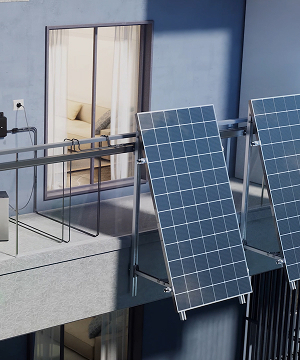
Case Study 3: 900W Balcony Micro-System in Chiang Mai, Thailand
| Item | Value |
|---|---|
| System size | 900W (2 panels + microinverter) |
| Total investment | ~$1,000 USD |
| 30-year cumulative return | 9.2× initial investment |
No roof ownership required. No permits in most jurisdictions. Plugs into a standard outlet. For renters or condo owners, this is the entry point — and at 9.2× return over the system lifetime, it's hard to argue against the math5.
What You'll Earn — The Revenue & Savings Side
Self-Consumption vs Selling to Grid
This is the single biggest factor determining your return — and the one most sales pitches gloss over.
Self-consumption means using the solar electricity yourself at the moment it's generated (or storing it for later). You save at your full retail electricity rate — typically 0.10–0.20/kWh in most markets.
Selling to grid (net metering or feed-in tariff) means exporting excess to the utility. Compensation varies wildly: from full retail credit in some US states to near-zero in markets where feed-in tariffs have expired or been slashed.
The math is simple: every kWh you use yourself is worth 2–5× more than every kWh you sell. This is why battery storage is increasingly making financial sense — it shifts cheap daytime surplus into expensive evening self-consumption.
30-Year Lifetime Savings
Let's put the Vietnam case study in perspective. A 15kW system in Ho Chi Minh City with an LCOE of approximately 0.010/kWhversusagridrateof0.12/kWh generates roughly $25,500 USD in lifetime savings over 30 years5.
To make that tangible: that's enough to buy 10 Honda Air Blade 160 motorcycles. Or pay for a child's entire university education. Or fund 15 years of family vacations. The point isn't the motorcycle — it's that solar savings are real, material wealth that compounds every single month the sun rises.
How Subsidies Change the Math
Government incentives vary by country and change frequently, but here's the current landscape for key markets:
| Market | Key incentive (2026) | Impact on payback |
|---|---|---|
| United States | Federal ITC: 30% tax credit | Reduces effective cost by nearly one-third |
| Germany | No VAT on residential solar systems | Saves ~19% on equipment cost |
| Vietnam | Net metering (varies by region) | Allows grid credit for excess generation |
| Thailand | BOI incentives for domestic manufacturing; net metering pilots | Reduces equipment cost indirectly |
| Australia | STCs (Small-scale Technology Certificates) | Upfront discount of 2,000–4,000 on typical systems |
Important: Subsidies reduce your upfront cost but don't change the fundamental economics. Even without any subsidy, systems in high-irradiance areas with grid rates above $0.10/kWh typically pay back within 4–6 years1.
Simple ROI Calculation You Can Do Right Now
Here's the formula. Grab your electricity bill and plug in your numbers:
Annual savings = Monthly consumption (kWh) × Electricity rate ($/kWh) × Self-consumption ratio × 12
Payback period = Total system cost ÷ Annual savings
Example: You use 800 kWh/month, pay $0.14/kWh, and a properly sized system covers 80% of your consumption through self-use:
800 × 0.14×0.80×12=1,075 saved per year
If your system costs 8,000installed:8,000 ÷ $1,075 = 7.4-year payback
After payback? That $1,075/year becomes pure profit for the remaining 20+ years of system life. And that's before accounting for electricity rate increases — which historically run 3–5% per year in most markets6.
The Costs Most People Forget (Years 2–30)
The installer leaves. The system hums. And then what? Here's what actually costs money over the next three decades — and what doesn't.
Cleaning & Routine Maintenance
Dust, pollen, bird droppings, and leaf debris reduce output by 2–5% if left unaddressed. In most climates, rain handles the bulk of cleaning. But in dry, dusty, or high-pollen areas, an annual or semi-annual cleaning makes sense.
Cost: 50–200 per cleaning session (professional), or free if you do it yourself with a hose and soft brush. Some providers include free maintenance for the first 2 years post-installation, then offer paid service plans afterward2.
Inverter Replacement
String inverters typically last 10–15 years. Microinverters often last 20–25 years. Budget for one inverter replacement over your system's 30-year life:
String inverter replacement: 800–1,500
Microinverter replacement (per unit): 150–250 (but less likely to be needed)
This is the single largest maintenance expense most homeowners will face. It's also why inverter warranty length matters — a 10-year warranty on a component with 12-year average lifespan means you're likely paying out of pocket.
Panel Degradation — How Much Do You Really Lose?
All solar panels lose output over time. The question is how much:
| Panel type | Year 1 guarantee | Annual degradation | Output at year 30 |
|---|---|---|---|
| Premium N-type TOPCon | ≥99% | 0.4%/year | 87.4% |
| Standard PERC (P-type) | ~97% | 0.5–0.7%/year | 78–82% |
| Budget / no-name | ~95% | 0.8–1.0%/year | 70–75% |
The difference between 87.4% and 72% output at year 30 on a 10kW system? Roughly 1,500 kWh per year in lost generation — that's 150–300/year you're not earning. Over a decade, that's the price of the "savings" from buying cheap panels2.
What Quality Equipment Saves You Long-Term
This isn't a pitch — it's math. Here's what premium components actually prevent in terms of future costs:
Aviation-grade mounting with self-healing coating: Eliminates bracket/rail replacement at year 8–12. Savings: 500–1,500 avoided2.
Layered waterproof drainage design: Prevents roof leak repair. Savings: 2,000–5,000 in avoided roof repairs over system life2.
Smart monitoring (cloud-based app): Catches output anomalies within hours instead of months. A panel failure undetected for 6 months can cost 200–400 in lost generation. Real-time monitoring costs nothing ongoing but prevents silent losses2.
30-year panel warranty vs 25-year: Five extra years of guaranteed output on a 10kW system = roughly 6,000–7,500 kWh of protected generation. At 0.12/kWh,that ′ s720–$900 in guaranteed value.
Is Residential Solar Worth It in 2026? The Bottom Line
When Solar Almost Certainly Makes Sense
Grid electricity rate above $0.10/kWh + good sun exposure (4+ peak sun hours/day) + roof in decent condition + you plan to stay in the home 5+ years. In this scenario, payback is typically 3–6 years with 20+ years of pure savings afterward15.
When Solar Needs More Careful Evaluation
Grid rate between 0.08–0.15/kWh + decent sun. Likely still worth it, but payback stretches to 5–7 years. Make sure you're comparing lifetime cost, not just sticker price.
When Solar Is Harder to Justify on Savings Alone
Grid rate below $0.08/kWh. Payback may exceed 9–12 years. At this point, other motivations matter: backup power during outages, energy independence, hedging against future rate increases (which are near-certain in most markets), or environmental values. The financial case still closes eventually — it just takes longer.
When Solar Does NOT Make Sense (Yet)
Heavily shaded roof with no alternative mounting location. Roof needs replacement within 2–3 years (install solar after the new roof). Planning to sell the home within 1–2 years (though solar does increase property value in most markets). Extremely low electricity consumption (under 200 kWh/month) where the system would be oversized relative to use.
How to Get an Accurate Number for Your Roof
Generic articles — including this one — can only get you into the right ballpark. Your actual cost and payback depend on variables no article can know: your specific roof orientation, your household consumption pattern, your local utility's interconnection rules, and whether your electrical panel needs upgrading.
Here's how to move from "internet research" to "real quote":
1. Know your electricity bill — not just the total, but your per-kWh rate and your monthly consumption in kWh. If you're on time-of-use pricing, know your peak vs off-peak rates.
2. Check your roof — Age, material, orientation, tilt angle, and any shading between 9am and 4pm. A 15-year-old roof might need resurfacing before panels go on — better to know now than after installation.
3. Ask for an all-in quote — Equipment, labor, permits, grid connection, monitoring setup. If the quote doesn't include interconnection paperwork handling, ask what that costs separately.
4. Compare LCOE, not sticker price — A system that costs $1,000 more upfront but degrades slower and lasts longer may deliver 20–30% more total energy over its lifetime. That's the number that determines real ROI.
5. Request a generation estimate based on local irradiance data — Not a generic "your system will produce X kWh." You want a calculation using NASA POWER or local meteorological data for your specific latitude and climate zone6.
The Bottom Line
Residential solar in 2026 is not a green luxury — it's a financial instrument with a measurable return. But like any investment, the return depends on what you buy, where you put it, and how you use it.
The homeowners who get the best returns share a few traits:
They didn't just buy the cheapest system — they bought equipment with low degradation and long warranties that protect the investment for decades, not just years.
They matched system size to actual consumption rather than over-building for bragging rights or under-building to save a few hundred dollars.
They paid attention to the mounting and waterproofing — because a $2,000 roof repair in year 6 destroys the payback math.
They treated the system as something to monitor and maintain, not "set and forget."
The real cost of residential solar isn't just what leaves your bank account in month one. It's the sum of upfront investment, ongoing maintenance, and avoided electricity bills over 25–30 years. When you calculate it that way — using real data, not marketing slogans — the numbers in most markets with grid rates above $0.10/kWh and reasonable sunlight speak clearly for themselves.
Sources
1 IRENA, Renewable Power Generation Costs in 2024, International Renewable Energy Agency, Abu Dhabi, 2025. https://www.irena.org/publications
2 SKYWORTH Solar (Solavita) internal product specifications and warranty documentation: N-type TOPCon module performance guarantee (Year 1 ≥99%, annual degradation ≤0.4%, 30-year output ≥87.4%); mounting system 30-year anti-corrosion certification; layered M-channel drainage design; free 2-year post-installation maintenance program.
3 BloombergNEF, Solar Module & Inverter Market Tracker Q1 2025, Bloomberg LP, 2025.
4 Barbose, G. et al., Tracking the Sun: Pricing and Design Trends for Distributed Photovoltaic Systems in the United States, Lawrence Berkeley National Laboratory, 2025. https://emp.lbl.gov/tracking-the-sun
5 Internal system performance data: 5kW installation in Ho Chi Minh City, Vietnam (commissioned Q4 2025); 10kW grid-tied and grid-tied + 5kWh storage installations in Bangkok metropolitan area (commissioned Q1 2026); 900W balcony micro-system monitored over 12-month period in Chiang Mai, Thailand.
6 NASA POWER Project, Prediction of Worldwide Energy Resources, https://power.larc.nasa.gov/ — Solar irradiance and meteorological data used for regional generation estimates referenced in this article.
Last updated: July 2026


Sign up to our latest blog
By signing up for our newsletter, you agree to the termsoutlined in our privacy policy. You can unsubscribe atany time.