












Myth: Solar Panels Will Damage Your Roof
-
Solar Myth Busters
-
solar panel roof damage myth
-
do solar panels damage your roof
-
solar panel installation safety
This fear keeps more people from going solar than almost any technical concern. The image is vivid and hard to shake: holes drilled through your perfectly good roof, water seeping in over the years, structural damage slowly accumulating until you're facing a repair bill that wipes out whatever you saved on electricity.
It's an understandable worry. Your roof is probably the most expensive single component of your house. The idea of someone drilling dozens of holes into it — on purpose — feels inherently risky. And if you've seen photos of botched installations circulating online (and there are plenty), that anxiety gets reinforced fast.
But here's what the myth gets wrong: it confuses bad installation with inevitable outcome. A poorly installed air conditioner can also damage your wall and cause water intrusion. That doesn't mean air conditioning damages walls. The distinction matters.
How Modern Solar Mounting Actually Works
Let's start with what's physically happening on your roof during a professional installation.
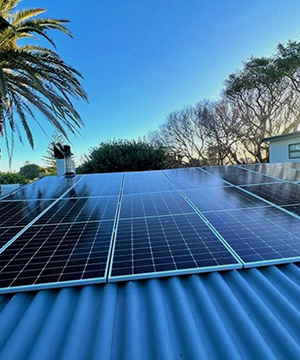
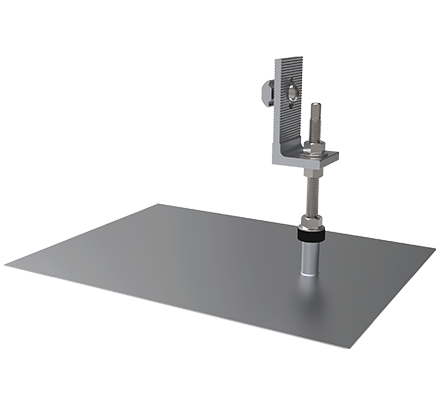
Most residential solar systems use rail-based mounting. Aluminum rails are attached to your roof's rafters — not just the sheathing or tiles — using lag bolts or specialized roof anchors. Each penetration point is sealed with flashing (a shaped metal piece that slides under your existing roofing material) and waterproof sealant rated for decades of UV and weather exposure.
This is not new or experimental. It's the same fundamental waterproofing approach used for roof vents, satellite dishes, skylights, and chimney flashing — all of which penetrate your roof and all of which are expected to remain leak-free for 20–30 years when properly installed.
The attachment points are engineered to distribute the weight of the array across your roof's structural members. A typical residential system adds 15–20 kg per square meter — roughly equivalent to a single additional layer of roofing tiles. Unless your roof structure is already compromised, this load is well within normal design margins.
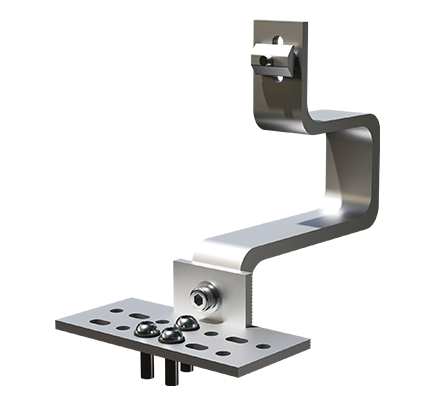
For tile roofs — the most common residential roof type in tropical markets — hook-based systems anchor to the purlins (timber beams, steel purlins, or concrete beams) beneath the tiles using a triangular fixing pattern. The hook sits with a precise 5mm clearance gap above the tile surface, ensuring no downward pressure is ever transferred to the fragile tile itself. Waterproof membrane is layered beneath the hook, covering at least two tiles at each point, then sealed with weatherproof silicone. After installation, tiles are restored to their original position with no lifting or displacement.
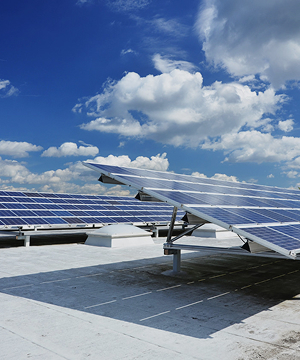
For flat concrete roofs, elevated racking systems act as a raised canopy over the existing waterproof membrane. A layered vertical drainage structure keeps water flowing freely beneath the array without pooling against or eroding the roof's original waterproofing. Structural connections use mortise-and-tenon interlocking joints with full-penetration welding and reinforcing gusset plates — delivering extreme wind and load resistance without any penetration into the building's primary structure. The racking itself uses 100mm×100mm galvanized aluminum-magnesium steel tubing with self-healing scratch resistance, warranted for 30 years — eliminating the risk of rust contamination damaging your roof surface over time.
Solar Panels Actually Protect Your Roof
Here's the part that surprises most people: the area of your roof beneath solar panels typically ages slower than the exposed areas around it.
Think about what damages roofs over time. UV radiation breaks down roofing materials — shingles become brittle, tiles fade and crack, metal sheeting oxidizes. Direct rain impact erodes surfaces. Thermal cycling (hot days, cool nights) causes expansion and contraction that wears materials down. Hail damages unprotected surfaces.
Solar panels block all of these from reaching the roof surface beneath them. They act as a physical shield. The area under your array gets less UV, less direct rain, less thermal cycling, and complete hail protection. Multiple studies and countless real-world observations from 20+ year installations confirm this: when panels are eventually removed, the roof beneath looks significantly younger than the surrounding exposed areas.
This isn't a minor effect. In tropical climates where UV intensity is extreme year-round, the protective benefit is even more pronounced. Your panels are essentially giving 60–70% of your roof surface a permanent shade structure.
When Damage Actually Happens (And Why)
The myth isn't entirely baseless. Roof damage from solar installations does occur. But it's almost never because of solar panels themselves — it's because of installation failures. Specifically:
Skipping the roof assessment. A responsible installer inspects your roof before quoting. They check for existing damage, assess remaining roof life, verify structural capacity (concrete thickness ≥10cm, rafter spacing and condition), and identify any areas that need repair before panels go on. A proper design process provides a customized structural plan for each individual roof — assessing load-bearing capacity, wind exposure, and drainage patterns before a single bracket is mounted. Installers who skip this step — often to save time or close the sale faster — are the ones who mount panels on roofs that shouldn't be carrying additional load yet.
Attaching to sheathing instead of rafters. Lag bolts need to anchor into solid structural timber (rafters or trusses), not just the thin plywood or OSB sheathing between them. Missing the rafter means the bolt has inadequate holding power, can work loose over time, and creates a penetration that doesn't seal properly because it's not sitting flush.
Using incorrect or cheap flashing. The waterproof seal at each penetration point is the critical barrier. Proper flashing (typically aluminum or galvanized steel, custom-shaped to slide under shingles/tiles and over the bolt) creates a physical overlap that sheds water away from the hole. Installers who substitute caulk alone, use incompatible materials, or skip flashing entirely are creating future leak points.
Installing on a roof that needs replacement. If your roof has 3–5 years of life remaining, putting panels on it means you'll need to remove them (at cost), replace the roof, and reinstall them (at cost again) in the near future. Responsible installers will tell you to replace the roof first. Irresponsible ones will install anyway and collect their payment.
Ignoring local wind loads. Panel mounting must account for wind uplift forces specific to your location and roof geometry. Under-engineered mounting in high-wind areas can result in panels shifting, fasteners pulling out, or in extreme cases panels detaching entirely — taking roofing material with them.
How to Ensure Your Installation Protects Rather Than Harms
The good news: avoiding roof damage from solar is straightforward. It requires choosing the right installer and verifying a few specific practices:
Demand a pre-installation roof inspection. Any installer who quotes without physically examining your roof (or at minimum reviewing detailed photos and structural plans) is cutting corners before work even begins.
Ask about their flashing and waterproofing method. The answer should be specific — what material, what sealant, how it integrates with your existing roofing. "We use caulk" is not an acceptable answer for penetration points.
Verify structural attachment points. Ask how they locate rafters or purlins. Professional installers use stud finders, measure from known rafter locations, or drill pilot holes to confirm solid timber before committing.
Check their warranty coverage for roof-related issues. A confident installer will warrant against leaks caused by their installation for 10+ years. If they won't, ask why not.
Get documentation. Photos of every attachment point, flashing installation, and sealed penetration. If something goes wrong in year 5, you need evidence of what was done.
Installation That Protects by Design
The difference between "solar damages roofs" and "solar protects roofs" comes down entirely to how the system is designed and installed. Every technical solution described above — the clearance gaps, the waterproof membrane layers, the structural anchoring to purlins rather than surface materials, the self-healing racking materials — exists specifically because protecting your roof is an engineering problem with known solutions.
SKYWORTH's residential installation system (SolaHome) is built around this principle. For tile roofs: hook systems with 5mm protective clearance, waterproof membrane sealed with weatherproof silicone, triangular anchoring to structural purlins, and full tile restoration after installation. For flat roofs: elevated racking with layered drainage protection, mortise-and-tenon jointed frames with full-weld reinforcement, and 30-year warranted galvanized aluminum-magnesium steel that won't rust-stain your roof surface.
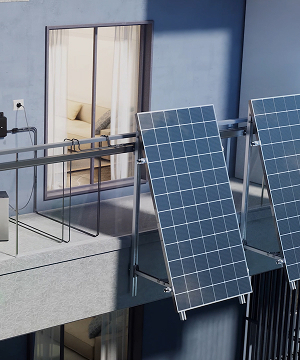
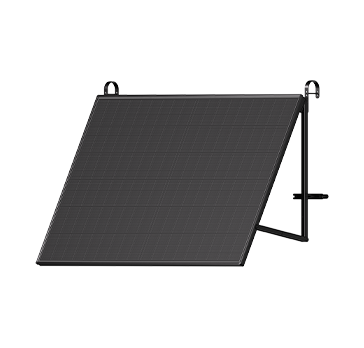
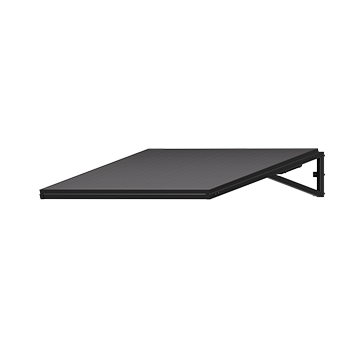
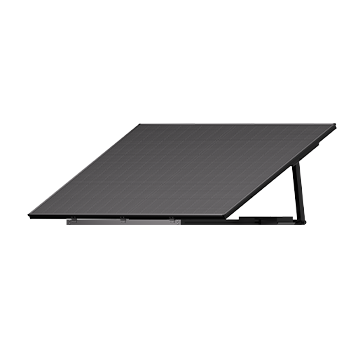
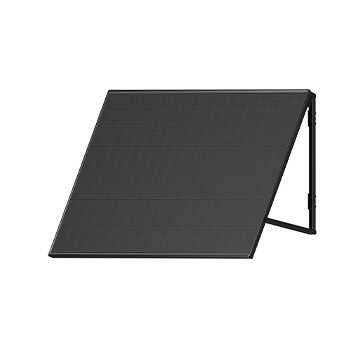
For situations where zero structural modification is required — balconies, rental properties, or roofs where penetration isn't feasible — the SolaMate balcony system offers fully portable, DIY-installable solar that can be moved or removed without leaving a trace.
Every SolaHome installation follows a standardized full-process quality protocol: structural assessment, customized design by engineering team, professional installation with technical oversight at every stage, and final inspection — all centered on one non-negotiable principle: your roof must be in better condition with panels than without them.
Installation That Protects by Design
The difference between "solar damages roofs" and "solar protects roofs" comes down entirely to how the system is designed and installed. Every technical solution described above — the clearance gaps, the waterproof membrane layers, the structural anchoring to purlins rather than surface materials, the self-healing racking materials — exists specifically because protecting your roof is an engineering problem with known solutions.
SKYWORTH's residential installation system (SolaHome) is built around this principle. For tile roofs: hook systems with 5mm protective clearance, waterproof membrane sealed with weatherproof silicone, triangular anchoring to structural purlins, and full tile restoration after installation. For flat roofs: elevated racking with layered drainage protection, mortise-and-tenon jointed frames with full-weld reinforcement, and 30-year warranted galvanized aluminum-magnesium steel that won't rust-stain your roof surface.
For situations where zero structural modification is required — balconies, rental properties, or roofs where penetration isn't feasible — the SolaMate balcony system offers fully portable, DIY-installable solar that can be moved or removed without leaving a trace.
Every SolaHome installation follows a standardized full-process quality protocol: structural assessment, customized design by engineering team, professional installation with technical oversight at every stage, and final inspection — all centered on one non-negotiable principle: your roof must be in better condition with panels than without them.


Sign up to our latest blog
By signing up for our newsletter, you agree to the termsoutlined in our privacy policy. You can unsubscribe atany time.