








Microinverter vs String Inverter: Which Is Right for Your Roof?
-
microinverter
-
string inverter
-
solar design
If you've spent any time researching residential solar, you've hit this question. It shows up in every forum thread, every installer quote comparison, every "what I wish I'd known" post from system owners. And the answers you find are usually one of two extremes: either "microinverters are always better" (usually from microinverter manufacturers and their affiliates) or "string inverters are the industry standard for good reason" (usually from installers whose business model is built around string systems).
The truth is less dramatic and more useful: these are two different engineering approaches to the same problem, each with genuine advantages in specific situations. The right choice depends on your roof — its shape, orientation, shading patterns, and how much system you're planning to install. Not on which technology is "better" in the abstract.
Let's break down what each actually does, where each excels, and how to match the right architecture to your specific situation.
How Each System Works
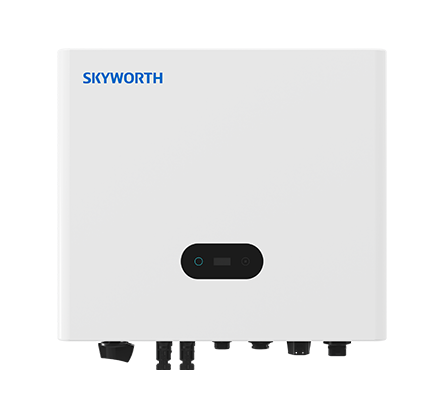
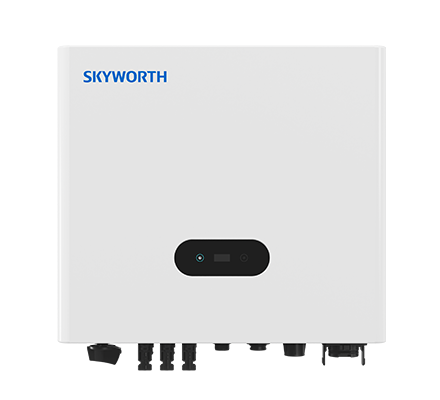
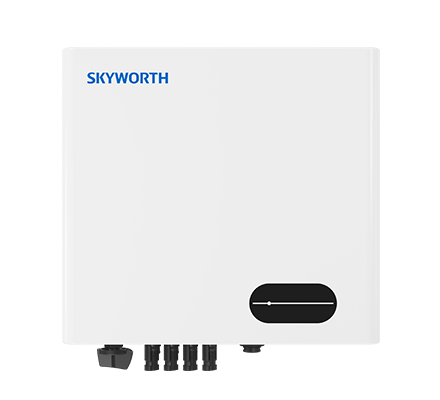
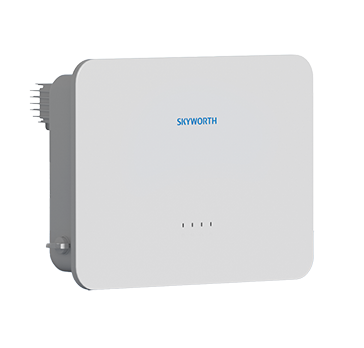
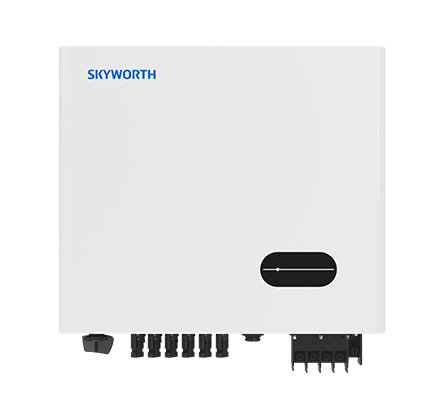
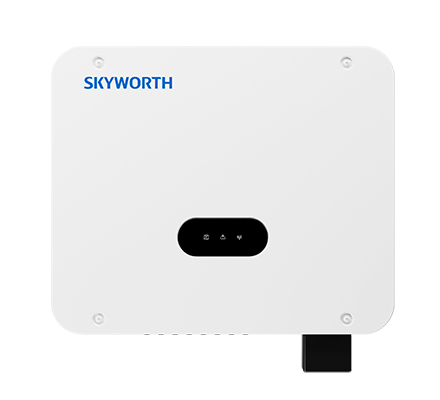
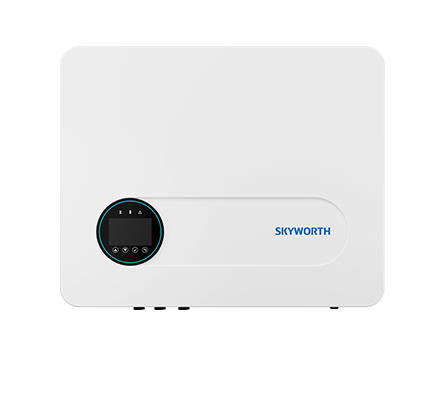
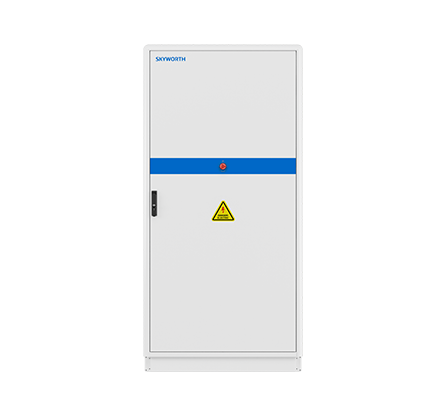
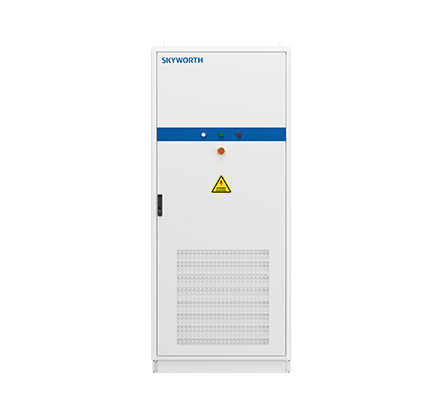
String inverter systems connect multiple solar panels in series — like batteries in a flashlight. The panels produce DC (direct current) electricity, which flows through the series "string" to a single inverter, usually mounted on a wall inside your garage, utility room, or on an exterior wall near your meter board. That one inverter converts the combined DC output from all panels into AC (alternating current) for your home.
A typical residential system might have 10–20 panels on one or two strings, feeding into one inverter. Larger systems might use two strings on a dual-MPPT inverter, or two separate inverters.
Microinverter systems place a small individual inverter directly behind each solar panel on the roof. Each panel converts its own DC output to AC independently, right at the source. The AC from all panels then combines and flows to your electrical panel. There's no central inverter box on your wall — the conversion happens distributed across the entire array.
Some systems use a middle-ground approach: "DC optimizers" paired with a central inverter. Optimizers sit behind each panel (like microinverters) but only condition the DC output — the actual DC-to-AC conversion still happens at a central inverter. This article focuses on the two main architectures, but optimizers share some characteristics of both.
Performance in Real Conditions
Peak efficiency: String inverters typically achieve slightly higher peak conversion efficiency — 97.5–98.6% for quality units versus 95–97.5% for microinverters. This sounds like a clear win for string systems, but peak efficiency is measured under ideal laboratory conditions. Real-world performance depends on how well the system handles non-ideal conditions — which is where the picture gets more complex.
Shade handling: This is the single biggest functional difference between the two architectures, and it's where most purchasing decisions should start.
In a string inverter system, panels are connected in series. The current through the entire string is limited by the weakest-performing panel — similar to how a kinked section of garden hose restricts flow through the entire length. If one panel is partially shaded by a tree, chimney, antenna, or neighboring building, it drags down the output of every other panel in that string. Bypass diodes mitigate the worst cases (preventing complete string shutdown), but they don't eliminate the loss — they just limit it.
In a microinverter system, each panel operates independently. A shaded panel produces less — but only that panel is affected. The other 15 panels in your array continue producing at full capacity, completely unaware that one of their neighbors is underperforming. The system output is the sum of individual panel outputs, not limited by the weakest link.
In practice, this means:
- If your roof has zero shading issues and all panels face the same direction at the same tilt — the shade-handling advantage of microinverters is minimal, and string inverters will likely deliver equal or marginally better total output due to higher peak efficiency.
- If your roof has partial shading at certain hours, multiple orientations (some panels east, some west), or obstructions that affect individual panels — microinverters can recover 5–25% more energy than a string system on the same roof, depending on severity.
Reliability and Maintenance
Failure impact: If a string inverter fails, your entire system (or at minimum, the entire string connected to it) stops producing until it's repaired or replaced. You go from full production to zero production in one event. If a microinverter fails, you lose the output of one panel — typically 3–8% of your total system — while everything else continues operating normally. You might not even notice for weeks unless you're monitoring panel-level data.
Lifespan and warranty: String inverters are generally warranted for 10–12 years, with some premium brands offering extension to 15–20 years at additional cost. They contain electrolytic capacitors and power electronics that experience significant thermal cycling, and most industry data suggests average replacement at 10–15 years during a 25-year system life. Microinverters typically carry 20–25 year warranties, matching the expected panel lifespan. Their lower power handling per unit means less thermal stress, and their solid-state designs tend to be more durable — though being mounted on the roof in direct sun exposure means they face a harsher thermal environment.
Maintenance access: When a string inverter needs service, it's on your wall at ground level — easy to access, diagnose, and replace. When a microinverter needs service, it's bolted behind a panel on your roof — requiring scaffolding or roof access, panel removal, unit replacement, and panel reinstallation. Individual failures are less impactful, but each repair event is more complex and expensive.
Safety
This factor receives less attention than it deserves. In a string inverter system, the DC side of your installation carries high voltage whenever the sun is shining — typically 300–600V DC depending on string length and panel voltage. This creates potential risks during roof fires (firefighters are trained to be cautious around solar roofs with live DC cabling), during maintenance, and in the event of cable damage or water ingress.
Microinverter systems convert to AC at each panel. The DC voltage at any point is limited to the output of a single panel — typically 30–50V — which is below the threshold considered dangerous for electric shock. This inherent safety characteristic is one reason microinverters are increasingly specified for commercial buildings with fire safety requirements, and why some jurisdictions are moving toward requiring module-level shutdown (which microinverters provide by default).
Monitoring and Diagnostics
String systems typically provide monitoring at the inverter level or MPPT (Maximum Power Point Tracking) level. You can see total system output and per-string performance, but you can't identify which individual panel might be underperforming without additional equipment (like DC optimizers or I-V curve tracers).
Microinverter systems provide panel-level monitoring by default. You can see exactly how much each individual panel produces, compare panels against each other, and immediately identify any panel that's underperforming relative to its neighbors. This makes diagnosis of soiling, shading, defects, or connection issues far more precise — and faster.
For owners who want to actively manage their system's performance, panel-level visibility is a significant advantage. For owners who prefer a "set and forget" approach, system-level monitoring may be sufficient — as long as someone is watching for overall performance decline.
Cost
String inverter systems are typically 15–25% cheaper in total installed cost compared to equivalent microinverter systems. The cost difference comes from both the hardware (one inverter vs. 10–20 microinverters) and installation labor (single-point wiring vs. distributed wiring at each panel).
However, the cost calculation isn't as simple as comparing upfront price:
- Inverter replacement at year 10–12: If your string inverter needs replacement mid-life (common), that's an additional cost of €800–2,000 that microinverter owners don't face — because their units are warrantied for the full system life.
- Energy harvest on shaded roofs: If microinverters recover 10–15% more energy on your specific roof due to shading, the higher upfront cost is paid back through additional production within 3–5 years.
- Future expansion: Adding panels to a string system may require upgrading the inverter if it's at capacity. Adding panels to a microinverter system just means adding more panels with their own microinverters — no central equipment changes needed.
Which Is Right for YOUR Roof?
Rather than declaring one technology "better," here's a decision framework based on the factors that actually matter for your specific installation:
A string inverter is likely the better choice if:
- Your roof has a single large, unobstructed area with consistent orientation (e.g., one large north-facing or south-facing plane depending on hemisphere)
- No significant shading from trees, chimneys, neighboring buildings, or antennas at any time of day
- You're optimizing for lowest upfront cost
- You have a convenient, ventilated location for the inverter (garage wall, utility area)
- You don't plan to expand the system significantly in the future
- Your local fire/electrical code doesn't require module-level shutdown
A microinverter system is likely the better choice if:
- Your roof has multiple orientations (east/west split, L-shaped roof, dormer windows)
- Partial shading affects some panels at certain hours (trees, structures, rooftop obstacles)
- You want panel-level monitoring and precise performance visibility
- Roof fire safety is a priority (lower DC voltage on roof)
- You plan to expand the system in stages over time
- You want to avoid mid-life inverter replacement and prefer matched 25-year warranty coverage
- Your roof layout means unequal string lengths would be required in a string system
Consider a hybrid approach (DC optimizers + string inverter) if:
- You want panel-level optimization and monitoring but prefer the efficiency and cost advantages of a central inverter
- You have moderate shading that doesn't justify full microinverter cost but would penalize a basic string system
- Local regulations require module-level shutdown but you prefer central conversion
The Real-World Decision
For most residential installations on relatively simple roofs with minimal shading, a quality string inverter system delivers excellent performance at lower cost — and remains the most common residential solar architecture worldwide for good reason.
For complex roofs, shading challenges, multi-orientation layouts, or owners who prioritize maximum energy harvest and long-term warranty simplicity over upfront cost — microinverters provide measurable advantages that justify their premium.
Neither choice is wrong. Both technologies are mature, reliable, and proven across millions of installations globally. The wrong choice is installing either one without first understanding your roof's specific characteristics — because the technology that's perfect for your neighbor's unshaded south-facing roof might be the wrong fit for your tree-lined, multi-angle rooftop.
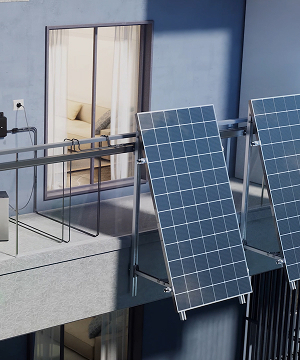
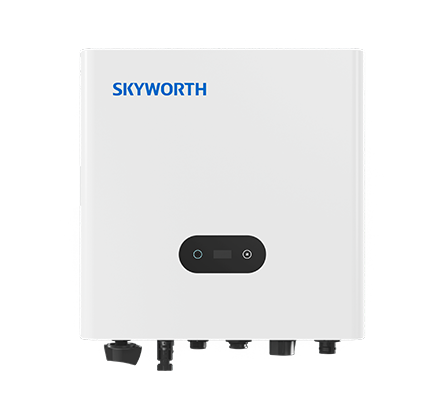
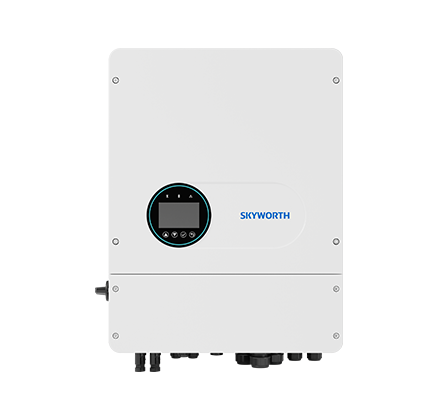
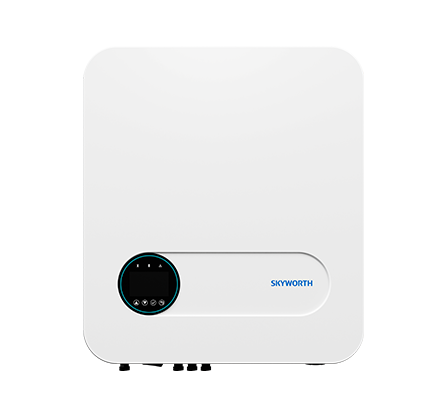
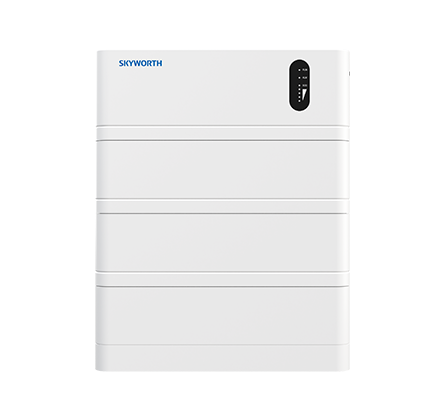
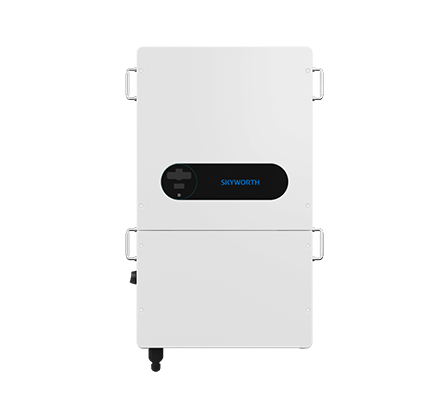
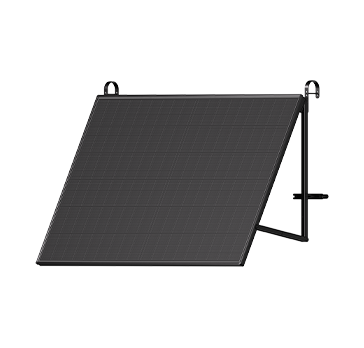
SKYWORTH's residential solution ecosystem covers both paths. The SolaHome platform works with both string inverter and microinverter configurations, with system design tailored to each roof's specific geometry, orientation, and shading profile. For balcony and small-scale portable applications, the SolaMate system uses integrated microinverter architecture — optimized for the plug-and-play simplicity that small-scale installations demand. The technology choice follows the roof — not the other way around.


Sign up to our latest blog
By signing up for our newsletter, you agree to the termsoutlined in our privacy policy. You can unsubscribe atany time.